

Tornado Intake Screen 19517
Genuine Tornado OEM intake screen (part# 19517), the first filter in the recovery path on the PS Series professional spotters. Deliberately coarse: it stops the fibre, hair, grit and paper a spotter picks up before any of it can reach the float shut-off and the vacuum stack. Rinseable rather than disposable. Factory-order item: call 763-535-0770 for current pricing. Fits the PS Spotter 98220, 98221 and 98225 — see the compatibility list below.
The Tornado Intake Screen 19517 is the genuine OEM screen that guards the vacuum intake on the PS Series professional spotters. It sits where recovered air and liquid enter the tank, and its job is to stop the solids the machine picks up from travelling any further into the recovery system. It also fits the Tornado PS8226 Spotter 98226, the 230-volt build of the deluxe PS Series spotter.
Compatible Models for the Intake Screen
- Tornado PS Spotter 98220 — PS Series professional spotter, 115V
- Tornado PS8221 Spotter 98221 — the 230-volt build of the same spotter
- Tornado PS8225 Spotter 98225 — deluxe PS Series spotter
- Tornado PS8226 Spotter 98226 — the 230-volt build of the deluxe PS Series spotter, Series D & E
Tornado’s factory cross-reference returns this screen across Series C through G of the 98220, Series F and G of the 98221, and the 98225. We publish only the models we can confirm against Tornado’s current catalog, so if yours is not listed call us at 763-535-0770 with the model and serial number and we will confirm it before you order.
What it catches, and why that matters
A carpet spotter picks up whatever is on the floor along with the solution: fibre, hair, grit, staples, paper, the occasional coin. All of it arrives at the tank intake at speed. The screen is the first filter in the recovery path, and it is deliberately coarse — it is not there to polish the water, it is there to stop the large material before it can reach the float cage and the vacuum stack.
That order matters more than it first appears. The float shut-off further along the path depends on a ball seating cleanly; a length of fibre or a scrap of paper across that seat holds the shut-off open, and the next thing to happen is water in the vacuum motor. The intake screen is what keeps that debris out of the shut-off’s way.
A coarse screen also protects suction. Fine filtration this early would blind over within minutes on real soil; a coarse screen passes the water and holds the lumps, which is exactly the right division of labour.
When to replace it
This screen is made to be cleaned, so start there. Lift it out at the end of a job, tip the debris off and rinse it. That habit is worth more than any replacement interval.
Replace it when the mesh is torn, holed or has pulled away from its frame — a holed screen is worse than none, because it looks like protection while passing the debris it was fitted to stop. Replace it if the frame is cracked or distorted so it no longer seats properly, since recovered liquid will simply bypass a screen that does not sit square. Replace it if the mesh is blinded with material that will not rinse clear.
A screen that is still in place but loaded restricts the airflow into the tank, which costs suction at the tool and makes the machine work harder than it needs to. If a machine has lost pickup and the hose, tool and filters all check out, look at the intake screen before anything is dismantled.
Fitting notes
Check the screen seats fully and squarely in its location, with no gap at the rim — a screen sitting proud or cocked lets liquid and debris pass around it, and the first sign of that is usually a float shut-off that stops working reliably.
Rinse the seat out before fitting a clean screen so you are not laying it on top of old debris. While the tank is open, check the float cage and the stack gasket in the same pass; the three work together and a fault in any one of them shows up as the same complaint. Do not run the machine with the screen removed, even briefly — a single job without it is enough to put something across the float seat.
Twin City Vacuum has been selling and servicing Tornado equipment since 1956.
You can browse every assembly for this machine on our Tornado PS Spotter 98220 parts page, and the manufacturer’s specifications are published at tornadovac.com.
Frequently Asked Questions
What does the Intake Screen 19517 do?
It is the first filter in the recovery path, sitting where recovered air and liquid enter the tank. It stops the large material a spotter picks up — fibre, hair, grit, paper, staples — before any of it can reach the float cage and the vacuum stack.
Can the Intake Screen be cleaned rather than replaced?
Yes, and it should be. Lift it out at the end of a job, tip off the debris and rinse it. Replace it only when the mesh is torn, holed or lifting from the frame, when the frame is cracked or distorted so it no longer seats, or when it is blinded with material that will not rinse clear.
Why does a blocked or missing Intake Screen matter so much?
Two reasons. A loaded screen restricts airflow into the tank and costs suction at the tool. A missing or holed one lets fibre and paper reach the float shut-off, where a single scrap across the seat holds the shut-off open — and the next thing that happens is recovered water entering the vacuum motor.
How do I order the Intake Screen (part# 19517) or get help?
Call us at 763-535-0770 to order the Intake Screen (part# 19517) — this is a factory-order part and we will confirm current pricing and the correct version for your serial number when you call. Our staff at 5415 West Broadway, Crystal, MN 55428 has been servicing Tornado equipment since 1956.
Questions? Call us at 763-535-0770 or visit us at 5415 West Broadway, Crystal, MN 55428.
Related products
-
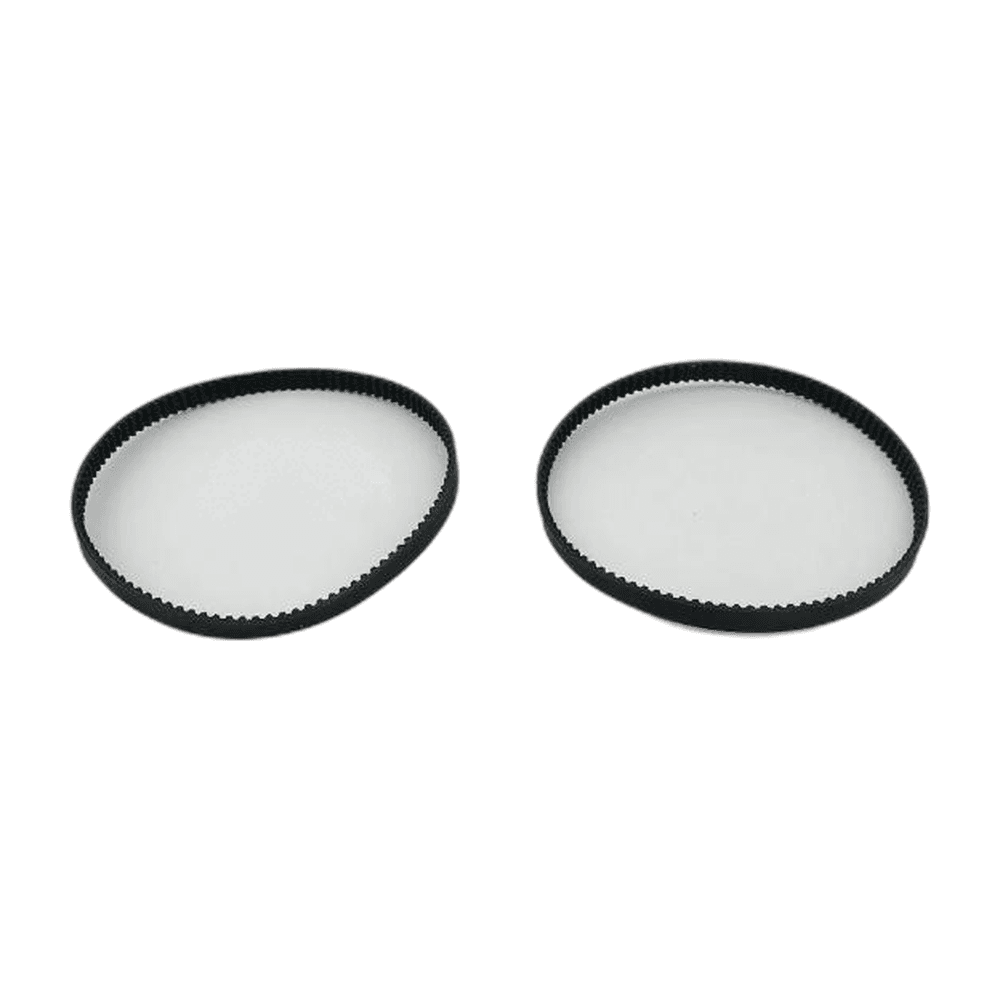
Belt Set (Front and Back) K28842740
$44.99 -
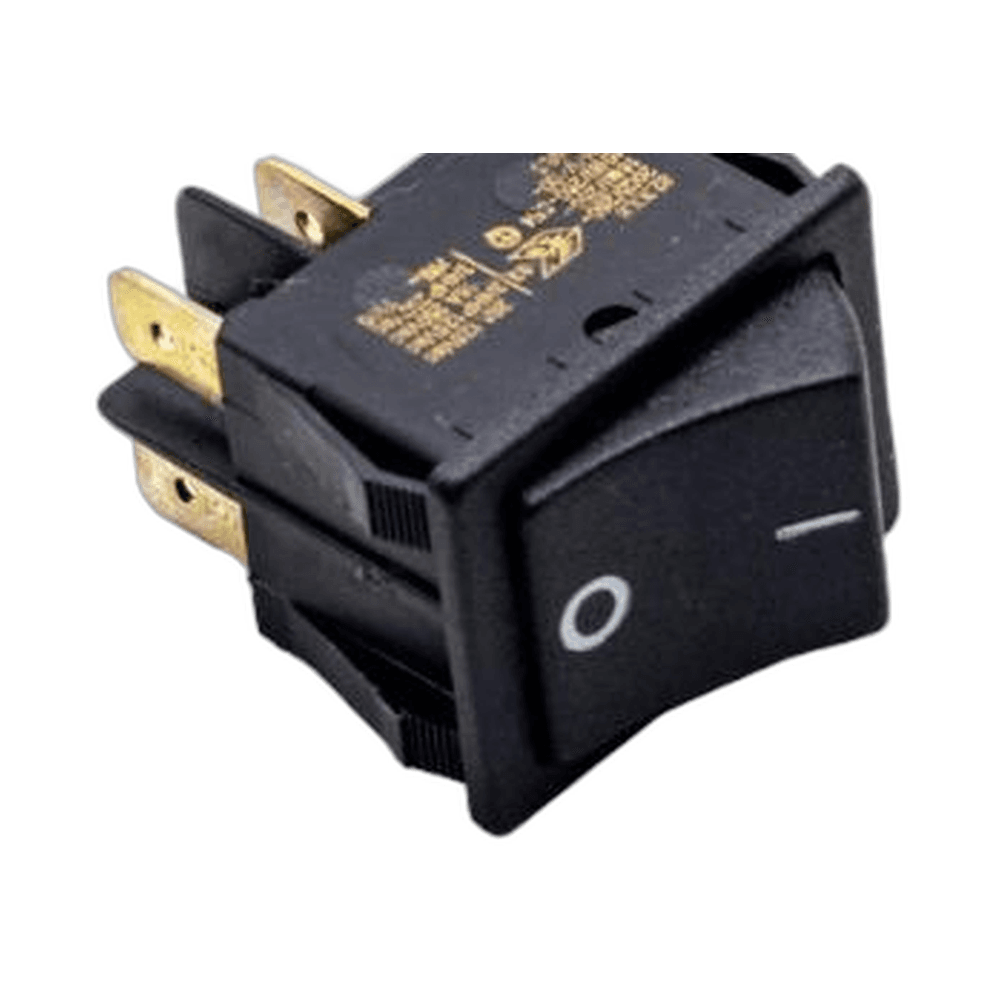
Rocker Switch K66306783
$10.99 -
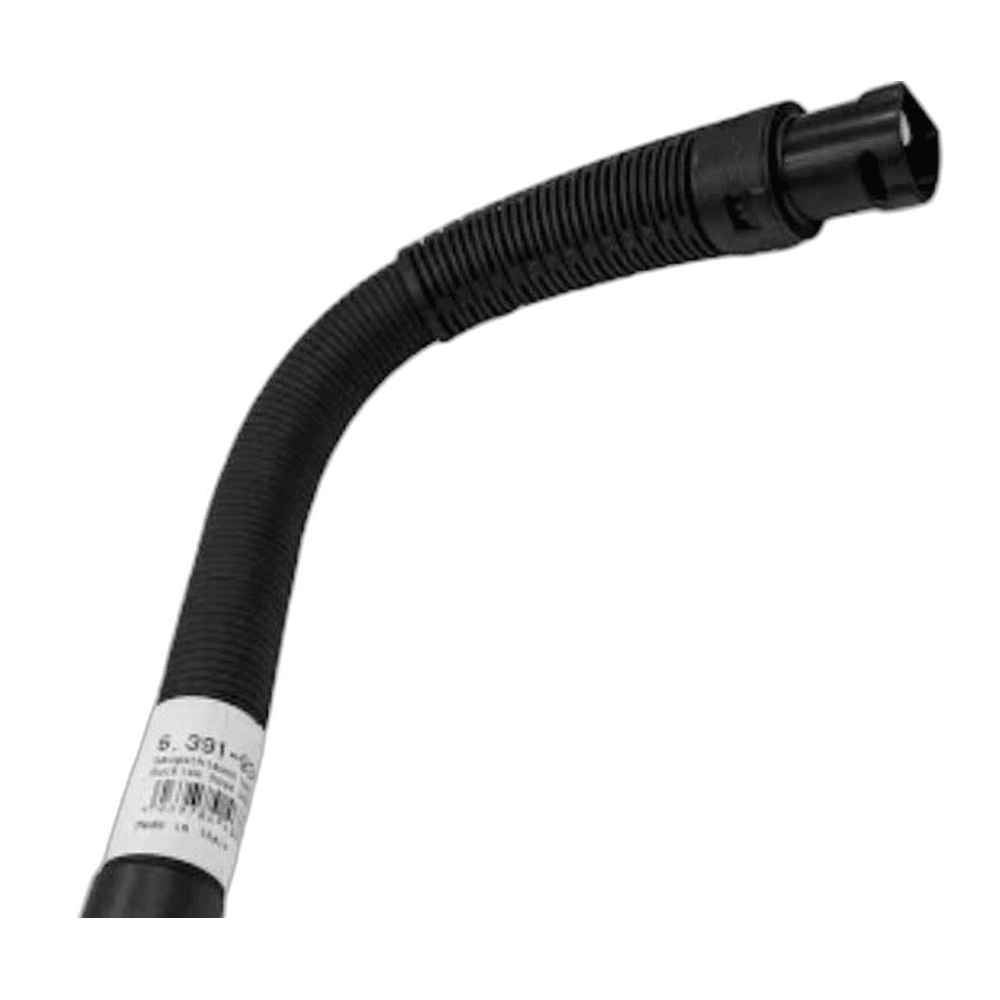
Suction Hose, CV Models After 2010 K63919340
$57.99 -

Spring K53323390
$1.99
Reviews
There are no reviews yet