
Tornado Solution Hose 1-1/4 in. to Filter Screen 19528
Genuine Tornado OEM 1-1/4 in. solution hose (part# 19528) running from the solution tank to the filter screen on the PS Series professional spotters — a suction hose, ahead of the pump, so it collapses rather than bursts and leaks air rather than water. A pump that surges or sprays air is usually drawing in on this side. Factory-order item: call 763-535-0770 for current pricing. Fits the PS Spotter 98220, 98221 and 98225 — see the compatibility list below.
The Tornado Solution Hose 1-1/4 in. to Filter Screen 19528 is the genuine OEM suction-side hose on the PS Series professional spotters. Tornado’s parts book describes it by where it runs: the 1-1/4 inch hose from the solution tank to the filter screen, ahead of the pump. It also fits the Tornado PS8226 Spotter 98226, the 230-volt build of the deluxe PS Series spotter.
Compatible Models for the Solution Hose to Filter Screen
- Tornado PS Spotter 98220 — PS Series professional spotter, 115V
- Tornado PS8221 Spotter 98221 — the 230-volt build of the same spotter
- Tornado PS8225 Spotter 98225 — deluxe PS Series spotter
- Tornado PS8226 Spotter 98226 — the 230-volt build of the deluxe PS Series spotter, Series D & E
Tornado’s factory cross-reference returns this hose across Series C through G of the 98220, Series F and G of the 98221, and the 98225. We publish only the models we can confirm against Tornado’s current catalog, so if yours is not listed call us at 763-535-0770 with the model and serial number.
This is a suction hose, and that changes everything about it
The most useful thing to understand about 19528 is that it sits on the wrong side of the pump to be under pressure. It feeds the pump rather than carrying the pump’s output, so instead of being pushed from behind, the solution in it is being drawn forward by the pump’s inlet.
That inverts the failure modes compared with a pressure hose, and it explains the 1-1/4 inch diameter. A suction line has to be generous: the pump can only pull so hard, and any restriction on the inlet side starves it. A pressure hose can be narrow because the pump pushes; a suction hose cannot.
It also means the hose has to resist collapse, not burst. Under suction the pressure inside is below atmospheric, so the atmosphere is pressing inwards on the wall all the way along. A hose that has softened with age does not balloon here — it sucks flat, usually at a bend, and does it only while the pump is running, which is why the fault disappears the moment you switch off to look for it.
And a suction line leaks air rather than water. A loose clamp or a pinhole on this hose will barely weep, because the pressure gradient pulls air inwards. What it produces instead is a pump that loses its prime, runs noisily, surges, or delivers an intermittent spray full of air.
When to replace it
Replace the hose if it is split, cracked or weeping; if it has gone soft and collapses when the pump runs; if it has a permanent kink or flat spot; if the wall has gone hard and crazed; or if either end is split under its clamp.
The diagnostic worth remembering: a pump that surges, loses prime or sprays air is usually drawing air in on the suction side, not failing. Before condemning a pump for that, check this hose and both of its clamps, and check the solution filter screen it feeds. Air is drawn in at joints that would never pass water outwards.
Replace it while the circuit is open rather than waiting. It is inexpensive and the access is the costly part.
Fitting notes
Clamps matter more on a suction line than on a pressure line, because a joint that is merely adequate will pass air even though it holds water. Cut the hose square, push it fully onto its barb past the shoulder, and fit new clamps — a one-ear crimp clamp cannot be reliably re-crimped.
Route it along the original path with no tight bends; a 1-1/4 inch hose forced around a short radius is a collapse waiting to happen once suction is applied. Rinse the filter screen seat while you are in there, make sure the screen seats square, and then run the pump and watch the spray for air before closing the housing. A clean, steady fan means the suction side is sealed.
Twin City Vacuum has been selling and servicing Tornado equipment since 1956.
You can browse every assembly for this machine on our Tornado PS Spotter 98220 parts page, and the manufacturer’s specifications are published at tornadovac.com.
Frequently Asked Questions
Where does the Solution Hose to Filter Screen 19528 run?
From the solution tank to the filter screen, ahead of the pump — so it is a suction hose, not a pressure hose. It is 1-1/4 inch, and the generous diameter is deliberate: any restriction on the inlet side starves the pump, because a pump can only pull so hard.
My pump surges and sprays air. Is the pump failing?
Usually not. A pump that surges, loses prime or delivers an airy, intermittent spray is normally drawing air in on the suction side. Check this hose, both of its clamps and the filter screen it feeds first — air is pulled in at joints that would never pass water outwards.
Why does this hose collapse rather than burst?
Because the pressure inside it is below atmospheric while the pump runs, so the atmosphere presses inwards along its whole length. A softened hose sucks flat at a bend, and only while the pump is running — which is why the fault vanishes the moment you switch off to look at it.
How do I order the Solution Hose to Filter Screen (part# 19528) or get help?
Call us at 763-535-0770 to order the Solution Hose to Filter Screen (part# 19528) — this is a factory-order part and we will confirm current pricing and the correct length when you call. Our staff at 5415 West Broadway, Crystal, MN 55428 has been servicing Tornado equipment since 1956.
Questions? Call us at 763-535-0770 or visit us at 5415 West Broadway, Crystal, MN 55428.
Related products
-
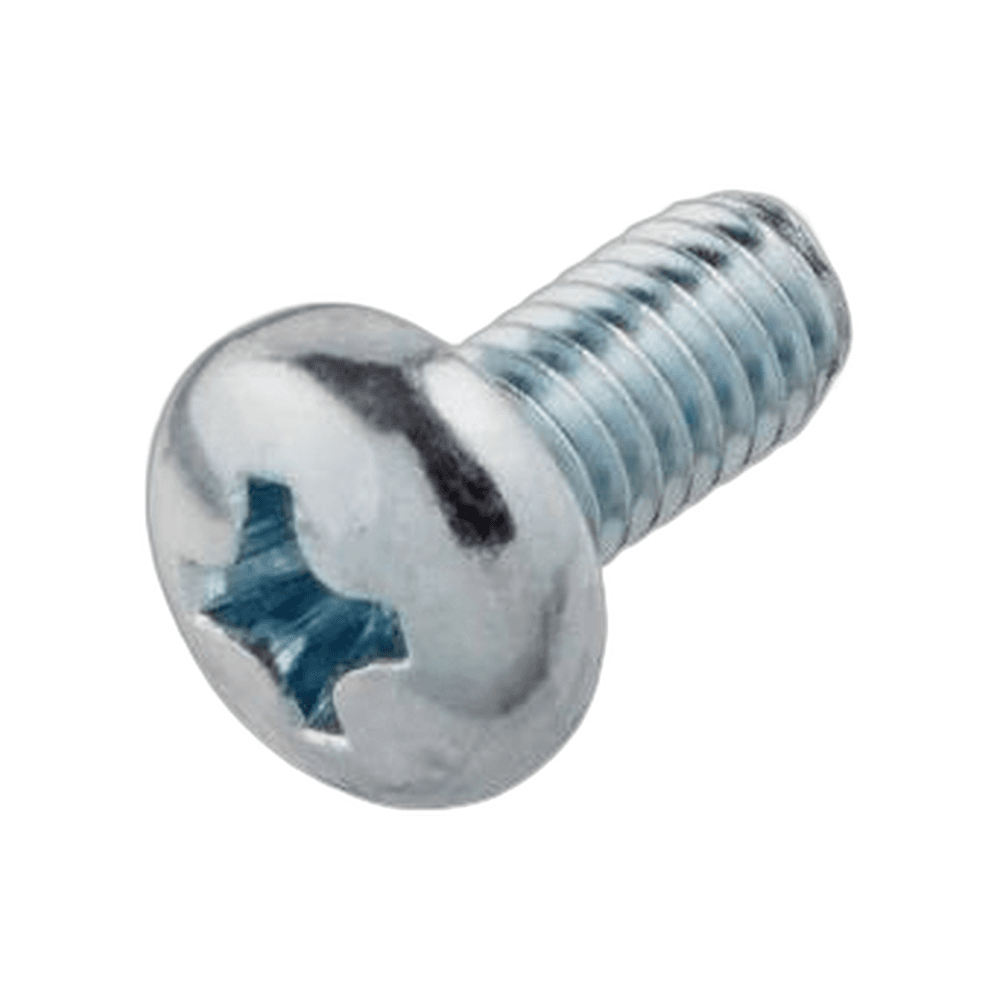
Screw M3.5 x 12 K63033180
$1.99 -
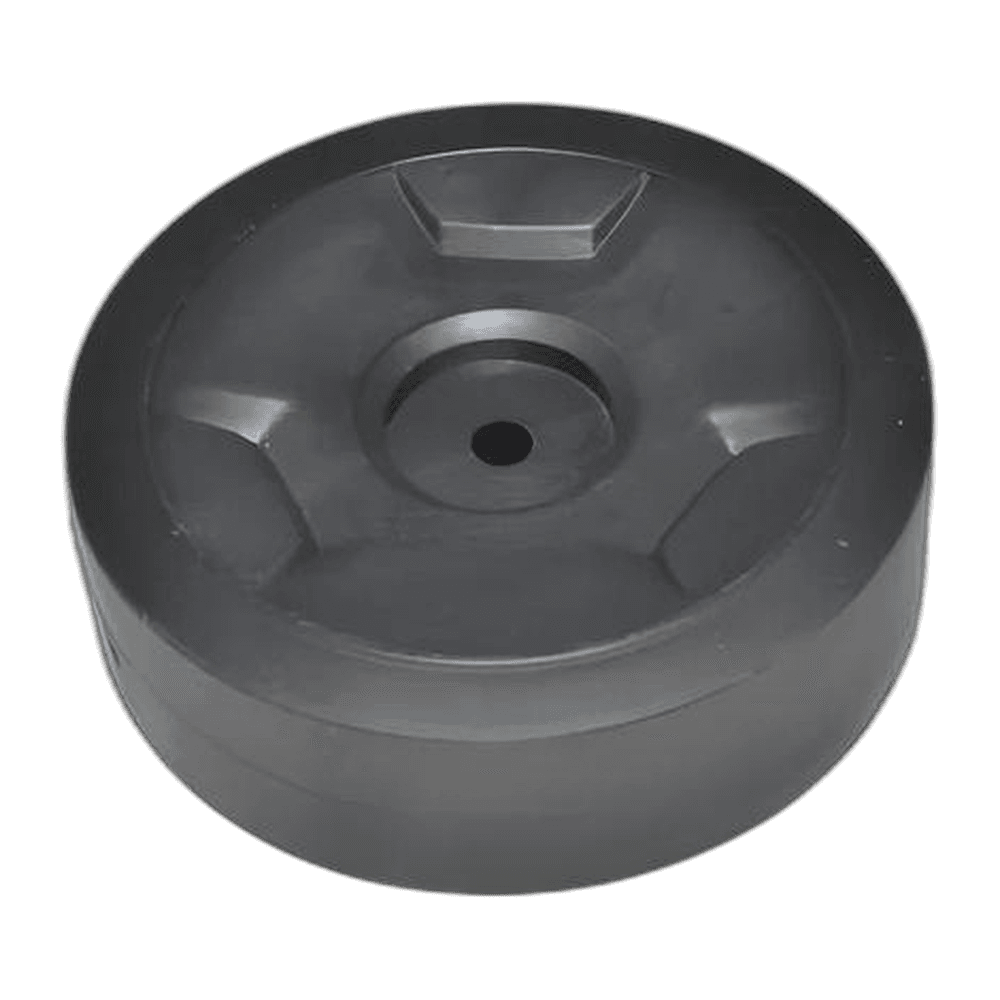
Rear Wheel K55153740
$19.99 -

Pinion K53520850
$4.99 -
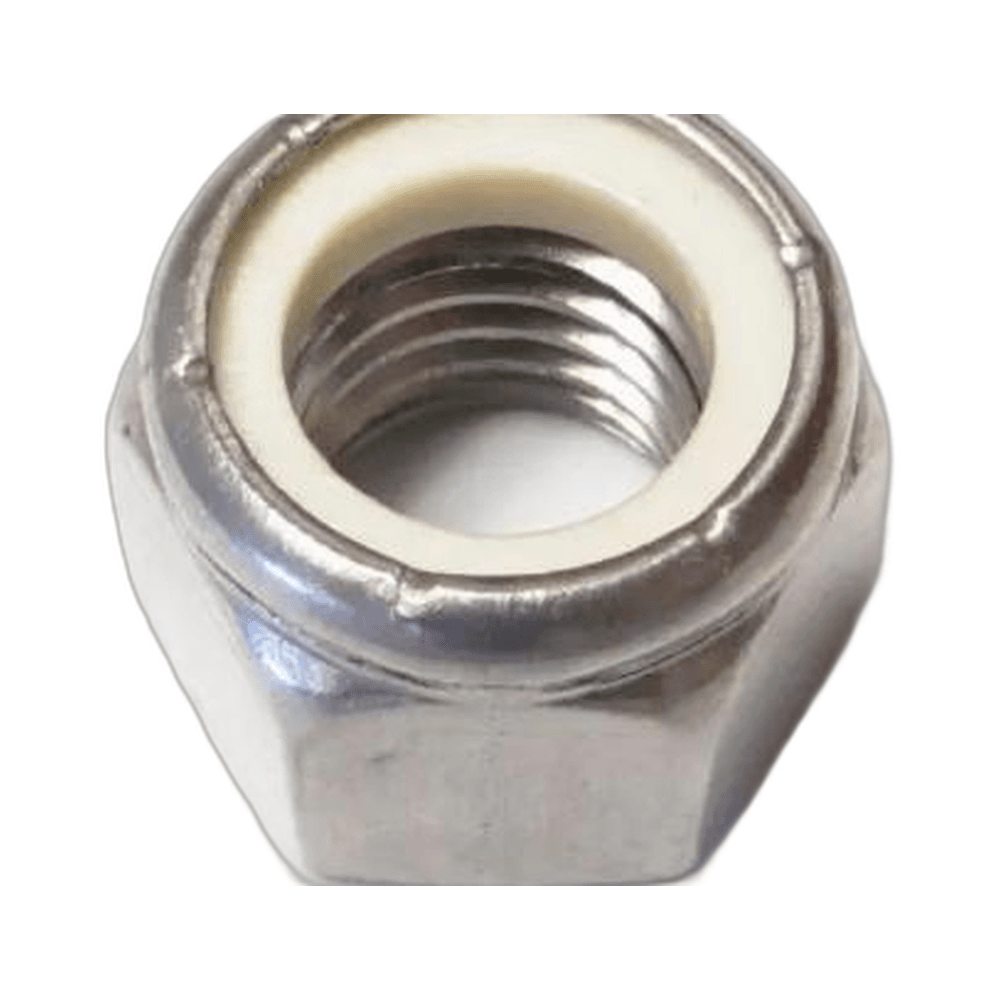
Nyloc Nut K73114310
$1.99
Reviews
There are no reviews yet